Biggest Audio Technica Soundburger Buying Mistakes (And How to Avoid Them)
The Audio Technica Soundburger has attracted attention from listeners who want the tactile satisfaction of a disc-based playback experience combined with modern portability. Whether someone is rekindling a CD collection, looking for a dedicated portable player for road trips, or seeking a reliable second system that bypasses smartphone compression, the Soundburger can be compelling. However, buyers often make predictable mistakes that lead to disappointment: mismatched expectations, overlooked compatibility details, and insufficient attention to real-world use cases.
Introduction: why the Soundburger draws buyers — and the pitfalls they miss
The appeal of a compact, dedicated CD player is straightforward: simple controls, physical media ownership, and a focused listening experience free from notifications and background apps. The Audio Technica Soundburger, presented as a modern take on this idea, markets retro-inspired design, portable convenience, and an emphasis on sound quality. That mix encourages impulse purchases driven by nostalgia or style instead of practical requirements.
This article disarms common misconceptions, outlines the most frequent buying errors, and provides step-by-step advice to help prospective buyers end up with a Soundburger that fits how they actually listen. The guidance prioritizes real-world use—commuting, travel, home desktop listening, and archival playback—so decisions are grounded in how people live with audio products, not catalog specifications alone.
Detailed product analysis: what to evaluate before buying
Build and ergonomics
One of the first attractions is the Soundburger’s physical design. Many buyers expect rugged metal construction and a hefty feel; others prioritize lightweight pocketability. It’s important to examine the case materials, hinge and lid quality, and button layout. In real-world use, the hinge and transport-lock mechanism are frequently stressed during travel, so users who plan to carry the player daily should seek out hands-on impressions or images of the unit’s lid mechanism before purchasing.
Audio performance and sound signature
“Sound quality” is a broad term that includes noise floor, dynamic range, tonal balance, and how the player pairs with different headphones. Buyers commonly assume a dedicated CD player will inherently sound better than a smartphone, but the difference depends on the internal DAC, analog output stage, and headphone-driving capability. For example, the Soundburger may deliver cleaner decoding and lower noise with sensitive IEMs, while high-impedance studio headphones might expose limits in the output amplifier. Buyers who expect a transformer-like sonic leap should first list their headphones and read reports on headphone matching.
Connectivity and codecs
Modern reissues of classic portable players sometimes add Bluetooth or a USB DAC function. Buyers must verify which wireless codecs are supported (SBC, AAC, aptX, LDAC, etc.) and whether Bluetooth is one-way (sink) or supports pairing with external devices. In everyday use, commuters care about stable Bluetooth pairing and latency for casual video viewing; someone using the Soundburger as a transport for a home DAC will care about whether the USB output supports bit-perfect digital output.
Battery, power, and portability
Battery life expectations differ by use case. A long commuter who listens for several hours daily will require robust battery performance or easy access to replacement/standard batteries. Travelers who rely on USB charging will prioritize devices with internal rechargeable batteries and USB-C power. Real-world buyers should check charging behavior (can the player charge while playing?) and measure how many hours of continuous playback to expect with typical headphones and volume settings.
Disc compatibility and reliability
Not all CD players treat burned media the same. Many buyers who rip or burn compilations are surprised to find that some units are picky about CD-R media, multi-session discs, or discs recorded at certain speeds. If the Soundburger will be used with burned discs—common for enthusiasts who keep archival mixes—confirm compatibility first. Also consider shock protection: a device without decent anti-skip will struggle outdoors or on bumpy transit.
Controls, display, and usability
Small displays and cramped controls make real-world navigation frustrating, especially when accessing tracks repeatedly. Buyers should evaluate whether the display is readable in bright sunlight, how intuitive transport controls are, and whether the remote control (if included) is necessary for their use. People who plan to use the player while exercising or driving should prioritize larger, tactile buttons and clear feedback for play/pause and skip functions.
Discover deals on Audio & Headphones — updated daily.
See Deals →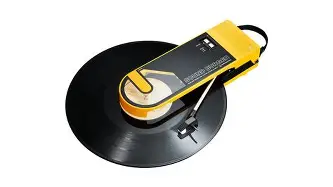
Support, firmware, and longevity
Unlike software-based streaming devices, hardware reliability and available firmware updates matter for longevity. Prospective buyers benefit from checking warranty terms, company support responsiveness, and the community feedback on long-term reliability. For used units, inquire about the availability of replaceable parts—hinges, battery doors, and optical mechanisms age and may need service.
Common buying mistakes — and how to avoid them
- Buying purely for looks: Style is important, but an aesthetically pleasing player that lacks suitable battery life or disc compatibility will disappoint. Avoid this by mapping looks to functional requirements before purchase.
- Assuming universal disc support: Don’t assume burned or multi-session CDs will play perfectly. Test compatibility with sample discs or confirm return policies.
- Ignoring headphone matching: A player’s amp may not drive every headphone equally. Check headphone impedance and sensitivity against reported output power and real-world reports.
- Overvaluing Bluetooth without checking codecs: If high-quality wireless audio is a priority, verify supported codecs rather than assuming “wireless” equals “hi-res.”
- Not checking portability details: Hinge quality, physical locks, and the presence of a carrying case matter for travel—inspect or ask for photos to assess durability.
- Buying used without inspection: Optical mechanisms degrade and aren’t always cheap to repair. For used purchases, request recent operating demonstrations or a return window.
- Neglecting power options: Some people prefer user-replaceable batteries; others want USB charging. Confirm which the Soundburger variant offers.
Pros & Cons
- Pros
- Dedicated playback device reduces smartphone distractions and can offer a focused listening environment.
- Physical media supports ownership and archival listening of CDs and special releases.
- Often designed with simple controls and retro aesthetics that appeal to collectors and design-minded buyers.
- Potential for cleaner digital output or analog staging compared to generic smartphone playback (depends on model).
- Cons
- Limited format support compared with modern digital audio players and streaming services.
- Potential fragility of optical mechanisms and hinges—particular concern for frequent travelers.
- Bluetooth implementations may be basic; lack of advanced codecs can limit wireless quality.
- Burned CD and CD-R compatibility issues can lead to playback failures if not checked beforehand.
How the Soundburger stacks up: comparison table
| Device Type | Portability | Sound Quality (typical) | Battery/Power | Media Support | Best for |
|---|---|---|---|---|---|
| Audio Technica Soundburger | High — compact and designed for on-the-go | Good — dedicated playback hardware; depends on analog stage | Varies by model: replaceable batteries or internal rechargeable | CDs; compatibility with CD-R varies | Listeners who value physical media and simple, focused playback |
| Smartphone (streaming) | Very high — multi-purpose device | Variable — depends on headset and streaming bitrate | Battery shared with other apps; heavy drain | Streaming services, local files (compressed to hi-res) | Casual listeners who prioritize convenience and streaming libraries |
| Dedicated Hi-Res DAP | Medium — often larger than CD players | Excellent — high-quality DACs and outputs | Good — designed for long playback, but heavier | Multiple formats (FLAC, DSD, AAC, etc.) | Audiophiles who want portable high-resolution playback |
| Vintage Discman | Medium — durable but bulkier | Variable — older DACs; can be warm or noisy | AA batteries or external AC — inconsistent | CDs; often better with original pressed discs | Collectors and nostalgia seekers prioritizing retro authenticity |
Buying guide: practical checklist before purchase
1. Define the primary use case
Is the player intended for daily commuting, occasional travel, home listening, or archival playback? The answer shapes priorities: commuters need anti-skip and long battery life; archivists need reliable CD-R support and bit-perfect outputs; home listeners may prefer a unit that behaves well as a desktop transport connected to a DAC.
2. Verify disc compatibility and anti-skip performance
If a buyer plans to use burned discs or compilations, test or confirm compatibility. For commuting or in-vehicle use, seek explicit anti-skip performance metrics or user feedback describing performance on bumpy routes.
3. Check connectivity details
Confirm whether the model includes Bluetooth, what codecs it supports, whether it has USB output (and if that output is a transport or a DAC), and whether it offers line-level or headphone outputs. In practice, a one-sentence spec line is insufficient—look for hands-on reports that confirm behavior when connected to various headphones and DACs.
4. Match headphones to output capability
Know the impedance and sensitivity of the headphones or IEMs. A sensitive IEM pairs differently than a 250-ohm studio headphone. When possible, read or request measurements of output impedance and voltage to ensure proper synergy (low-output impedance sources pair best with most headphones).
5. Inspect durability and travel suitability
For frequent travelers, hinge strength, presence of a transport lock, and the availability of a protective case matter. Aesthetics are secondary to robustness if the player will spend long hours in a bag with keys and other items.
6. Consider power strategy
Decide whether user-replaceable batteries are necessary or whether an internal rechargeable with a USB-C port fits better into existing charging routines. Confirm whether the device charges while playing and how long it takes to reach full charge.
7. Evaluate warranty and service
Physical mechanisms wear out. Prioritize models with transparent warranty terms and accessible service channels. For used purchases, prefer sellers who offer short-term guarantees or video demonstrations.
Discover deals on Audio & Headphones — updated daily.
View Offers →8. Read real-world reviews and community feedback
Hands-on reviews often reveal subtle but important behaviors: sensitivity to dirty discs, remote control reliability, boot-up time, and how the display behaves in sunlight. Community forums can also highlight quirks not present in official specs.
9. Decide new vs. used
Used units may offer savings but carry higher risk of optical and mechanical failure. If considering a used Soundburger, ask for recent photos, a video of the unit playing multiple tracks, and confirmation of included accessories (charger, case, remote).
Real-world scenarios and recommendations
Daily commuter
For someone listening during daily train rides, anti-skip, battery endurance, and Bluetooth stability (if using wireless headphones) are top concerns. The recommendation is to prioritize a variant with solid anti-skip and proven Bluetooth pairing behavior, and to carry a compact case to protect the unit in transit.
Frequent traveler
Travelers should verify hinge durability and packing resilience; a cheap-looking unit with a delicate latch is a poor fit. An internal rechargeable battery with USB-C is preferable to proprietary chargers for convenience in airports and hotels.
Archival listener / collector
Collectors who rely on burned CDs or rare pressings need a player with tolerant CD-R handling and reliable bit-perfect outputs for rips. Confirm transport output behavior and compatibility with external DACs if the player will be used as a digital source.
Desktop or studio user
Those who want a Soundburger as a compact transport for a desktop DAC should prioritize line-level outputs, stable USB digital outputs, and minimal jitter. In a studio context, firmware stability and predictable behavior under repeated use become highly important.
Conclusion
The Audio Technica Soundburger has the potential to be an excellent fit for listeners who value physical media, focused playback, and a portable form factor. Buyers who take a few extra steps—defining their use case, checking disc compatibility, matching headphones to output capability, and verifying battery and build details—are much less likely to encounter disappointment. Avoid the most common mistakes by treating the purchase as a practical choice rather than a purely aesthetic one: test compatibility where possible, prioritize durability for travel, and confirm connectivity details to match how the player will be used in the real world. With those precautions, the Soundburger can be a rewarding, low-distraction companion for many listening scenarios.