Biggest Poco X8 Pro Max Buying Mistakes (And How to Avoid Them)
The Poco X8 Pro Max has attracted attention as a feature-packed mid-to-upper-tier phone that promises strong performance, a large display, and a long-lasting battery at a competitive price. That appeal can make it an easy choice — but buyers frequently trip over a handful of predictable mistakes that turn a good purchase into a frustrating experience. This article explains the most common mistakes buyers make when choosing the Poco X8 Pro Max, why those mistakes matter in real-world use, and practical steps to avoid them.
Introduction: What buyers really care about
When people shop for a smartphone, a few real-world concerns dominate decision-making: battery life during a day of mixed use, camera results for social photos, smooth performance for apps and games, software support and security updates, and how the phone actually feels in hand. For the Poco X8 Pro Max, buyers also care about value for money, charging speed and cable compatibility, and whether the device will play nicely with local networks and accessories.
Understanding the typical usage scenarios — a commuter relying on battery and notifications, a student juggling apps and notes, a content creator shooting short videos, or a casual gamer spending 30–60 minutes on high-refresh-rate gameplay — helps identify which purchase mistakes hurt most. The following sections unpack those mistakes and offer concrete ways to avoid them.
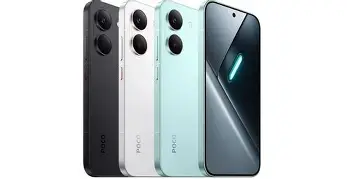
Common buying mistakes and how they hurt real-world use
Mistake 1: Choosing the wrong storage and RAM configuration
Why it matters: Apps, photos, and system updates all consume space. Running multiple apps, background services, and modern games can be RAM-hungry. A low-storage, low-RAM configuration will feel constrained within months.
Real-world impact: A commuter who stores a podcast library and dozens of photos may find the phone warns about low storage during a long trip. A student running split-screen apps or switching between web, note, and video apps will notice stutter and reloads if RAM is insufficient.
How to avoid it: Opt for a configuration with at least 128 GB of internal storage and 8 GB of RAM if available and budget allows. If the X8 Pro Max supports expandable storage via microSD, that reduces risk for media-heavy users; confirm whether the specific model sold in the buyer's market includes a microSD slot.
Mistake 2: Overlooking charger and cable compatibility
Why it matters: Many phones and chargers now use fast charging standards with specific voltages and wattages. Buying a phone without ensuring one has a compatible charger can mean slower charging or no support for advertised fast-charge rates.
Real-world impact: A traveler who expects an hour of top-up during a layover may find the phone charges slowly with an old USB-A PD charger. Conversely, using a cheap, incompatible charger can heat the battery and reduce long-term lifespan.
How to avoid it: Check which charging protocols the X8 Pro Max supports (USB Power Delivery, PPS, proprietary fast-charge) and whether a wall charger is included in the box. If the included charger is missing or inadequate, plan to purchase a reputable USB-PD or compatible fast charger with the correct wattage. Prefer USB-C to USB-C cables rated for the supported power level.
Mistake 3: Ignoring software update policy and regional firmware
Why it matters: Software updates bring security patches, bug fixes, and performance improvements. Regional firmware differences can add bloatware or lack network compatibility features.
Real-world impact: A buyer who keeps a phone for several years may face an older Android version and delayed security patches if the device lacks a clear update commitment. Bloatware and localized apps in some firmware builds can reduce available storage and clutter the experience.
How to avoid it: Research Poco's update history for recent models and look for explicit manufacturer commitments to Android version and security update cadence. When purchasing, confirm the sales region and check whether the retailer installs a global or local firmware — many issues arise when phones are imported without matching network band support.
Find top-rated Mobile Phones products at great prices.
View Offers →Mistake 4: Not checking network bands and carrier compatibility
Why it matters: Phones with incompatible radio bands may not access LTE/5G or may fall back to 3G in some regions — a critical issue for travelers and anyone moving between carriers.
Real-world impact: A frequent traveler who buys a phone from another country can discover missing bands for local carriers, resulting in weak signals or no service. This is especially important for 5G and carrier aggregation features that speed up data.
How to avoid it: Before purchase, match the X8 Pro Max model number to the carrier bands used locally. Check the seller’s listing for supported LTE and 5G bands. When in doubt, ask the retailer for the exact model SKU and verify against carrier band lists.
Mistake 5: Underestimating thermal behavior and performance throttling
Why it matters: High-performance chipsets can generate significant heat. Without proper cooling strategies, phones throttle performance to protect components, causing dropped frame rates and slower app loads.
Real-world impact: A mobile gamer or heavy multitasker may see frame-rate drops during extended play or while recording video. This directly affects the experience and can make a phone feel less capable than its spec sheet suggests.
How to avoid it: Read real-world performance and thermal tests rather than only benchmark scores. Look for coverage showing sustained load behavior. If buying new, try to test the phone with the intended workload in-store or review reliable tech reviewers' long-run stress tests.
Mistake 6: Skipping hands-on assessment for ergonomics and screen size
Why it matters: A big screen is great for video and gaming but can be unwieldy for one-handed use, pocketability, and one-handed camera stabilization.
Real-world impact: Users with small hands or those who frequently use a phone while walking or commuting can find a large "Max" device uncomfortable and more prone to drops.
How to avoid it: Hold the device in-store if possible. Consider weight, width, and button placement. If size is an issue, a case can help grip but also adds bulk — factor that into the decision.
Detailed product analysis: Poco X8 Pro Max in everyday use
The Poco X8 Pro Max aims to balance a large, high-refresh display, a multi-day battery, and a camera system that handles casual photography. Breaking the phone down into key areas highlights where expectations meet reality:
Display and media consumption
For streaming, social video, and gaming, the display is a core feature. The X8 Pro Max's screen size and refresh rate determine how immersive and responsive those activities feel. In real use, higher refresh rates make UI interactions and supported games feel snappier, but buyers should assess whether they notice the difference and whether battery trade-offs matter to them.
Performance and gaming
Benchmarks provide a peak performance snapshot, but daily use depends on thermal design and memory management. Casual gamers will appreciate stable frame rates during short sessions; competitive or long-session gamers need to look at sustained performance and heat management.
Find top-rated Mobile Phones products at great prices.
Shop Amazon →Battery life and charging
Battery capacity and power efficiency define how long a phone lasts under mixed usage. For commuters and travelers, a phone that comfortably lasts a full day under heavy use is essential. Fast charging helps but is only effective if a compatible charger is used; otherwise, peak advertised speeds remain theoretical.
Cameras and content creation
Camera systems are often marketed by megapixel counts, but real-world photography depends on sensor size, image processing, low-light performance, and software features. Buyers who shoot photos for social media should test cameras in daylight and low-light conditions and look for video stabilization if they plan to record on the move.
Software and long-term support
MIUI or other vendor skins change the experience and update cadence. Bloatware, ads in the interface, and slow updates degrade the user experience over time. Buyers who expect to keep a phone for multiple years should prioritize vendors with a clear update history.
Pros & Cons
- Pros
- Large, responsive display suitable for media and gaming
- Competitive value for the features offered
- Likely strong battery life for daily mixed usage
- Flexible camera system for everyday photos and video
- Cons
- Potential thermal throttling under sustained heavy load
- Software update cadence may vary by region and SKU
- Some configurations may skimp on storage or RAM
- Large size may be awkward for one-handed use
Quick comparison: Poco X8 Pro Max vs. close alternatives
| Model | Typical Strengths | Typical Drawbacks | Who it's for |
|---|---|---|---|
| Poco X8 Pro Max | Large display, solid battery, competitive price | May vary by region in software and network bands | Media consumers and value-oriented gamers |
| Redmi Note (comparable class) | Balanced hardware + reliable update history in many markets | Sometimes conservative display or charging speeds | Users who want stable software and long-term value |
| Realme (comparable class) | Strong charging tech and polished camera software | UI choices and background app management can vary | Content creators who prioritize fast top-ups and camera features |
Buying guide: checklist and practical advice
Use this checklist at the point of purchase or when comparing sellers to avoid the pitfalls outlined above.
1. Confirm the exact model and SKU
- Match the model number to the manufacturer’s website to confirm specs and supported bands.
- If buying across borders, verify the SKU supports local network bands and warranty terms.
2. Pick the right storage and RAM
- Prefer 128 GB+ storage and 8 GB RAM for future-proofing; choose larger options when budget allows.
- If the phone supports a microSD slot, verify whether it's shared with the second SIM slot.
3. Check the included accessories
- Confirm if a charger and cable are included and whether the charger supports the phone’s fast-charge standard.
- Plan for a high-quality USB-C cable and a compatible wall charger if not included or if the included charger is low-wattage.
4. Evaluate software and update policy
- Research the manufacturer’s update track record for recent models; prioritize vendors with multi-year security updates.
- Look for community feedback from other buyers in the same market or SKU region to identify firmware quirks.
5. Test cameras and performance where possible
- Ask to test in-store or review trusted long-form camera and performance tests from reputable reviewers.
- Check low-light photos and video stabilization if the buyer records a lot of video while moving.
6. Consider size, weight, and case compatibility
- Try holding the device — ergonomic comfort matters for daily use.
- Check third-party case availability and whether repairs (screen replacements) are easily sourced in the buyer’s region.
7. Warranty and service
- Prefer official retail channels or authorized resellers to ensure genuine warranty coverage and service support.
- Keep the box, receipt, and warranty info in case future service is required.
8. Assess long-term value
- Think about how long the buyer intends to keep the phone and whether resale value or trade-in programs matter.
- Phones with broader software support and better repairability typically hold value longer.
Real-world use cases and recommendations
Below are common buyer profiles and how the Poco X8 Pro Max fits — and what to watch out for in each case.
The commuter and casual user
Needs: Reliable battery, readable display in daylight, and stable notifications. Avoid: Low-storage SKUs if the commuter stores music and podcasts offline. Recommendation: Choose a configuration with 128 GB storage, confirm battery life under mixed usage, and carry a compact USB-PD charger for top-ups.
The mobile photographer / content sharer
Needs: Consistent camera output, good dynamic range, and decent video stabilization. Avoid: Assuming megapixels equal quality. Recommendation: Review camera samples from the same regional model and test low-light photos before purchase.
The mobile gamer
Needs: Sustained frame rates, responsive touch, and thermal stability. Avoid: Relying on short benchmark scores. Recommendation: Look for long-session thermal tests, prefer higher-RAM variants, and consider a case that allows better grip without trapping heat.
The frequent traveler
Needs: Wide band support, dual-SIM or eSIM flexibility, and robust battery. Avoid: Buying an import model without local 4G/5G bands. Recommendation: Verify the SKU’s band list and pick a model with global compatibility or purchase locally.
Conclusion
The Poco X8 Pro Max can be a compelling choice for buyers seeking a large display and strong value, but the difference between satisfaction and disappointment often comes down to the choices made during purchase. Common mistakes — picking an underpowered storage/RAM combination, ignoring charger compatibility, skipping checks on network bands, and neglecting software update policy — are avoidable with a little research and a clear checklist. By matching the exact SKU to one’s usage patterns (commuting, gaming, content creation, travel), confirming included accessories and warranty, and preferring configurations that leave room for future needs, buyers can secure a device that performs as expected in the real world rather than merely on paper.