Combo Blender Review: Real User Experience After 3 Months
I've been using the Combo Blender for about three months now, putting it through daily smoothies, occasional hot soups, nut butters, and a handful of kitchen experiments. I bought it for everyday versatility — something that could handle frozen fruit and ice in the morning, make pureed soups in the evening, and occasionally grind small amounts of nuts and seeds. In this review I'll share what I liked, what disappointed me, and practical notes that actually mattered in my day-to-day use.
Why I bought the Combo Blender
In my kitchen, space and flexibility matter. I didn't want a device that only made smoothies or one that was overbuilt for my needs. The Combo Blender advertised several things that appealed to me right away: a mid-range motor (advertised as powerful enough to crush ice), a multipurpose jar and a personal cup option, multiple speed settings including pulse and presets, and dishwasher-safe parts. After three months I can say which of those promises held up and which were marketing-speak.
What I tested it on
To be thorough I tested the Combo Blender across realistic tasks so you can picture how it might fit into your routine:
- Daily breakfast smoothies with frozen bananas, berries, spinach, oats, and yogurt
- Crushing ice for blended iced coffee drinks
- Making single-serve protein shakes using the personal cup attachment
- Pureeing roasted vegetables into hot soups (short bursts to avoid overheating)
- Attempting small batches of nut butter (almonds and peanuts)
- Grinding a teaspoon of coffee beans and seeds for occasional recipes
First impressions and build quality
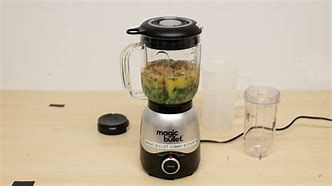
Out of the box the Combo Blender felt solid but not overly heavy. The base is a medium-weight plastic with a matte finish; it doesn't feel premium like a full-metal base but it doesn't feel flimsy either. The jar is thick polycarbonate (BPA-free, as labeled) and arrived with a secure lid and a pour spout. Blade assembly is stainless steel and seems robust; it's removable for cleaning.
One thing I appreciated immediately: the control dial and buttons have a satisfying tactile feel. They don't rattle, and the LED indicator for presets is helpful in low light. The included personal cup snaps onto the same blade assembly, which is convenient for single-serve use. The manual is straightforward and included a recommended duty cycle for heavy tasks (e.g., 30 seconds on, 2 minutes rest), which I used when testing nut butter.
Performance — smoothies, ice, and blending power
For everyday smoothies the Combo Blender delivered consistently good results. Frozen fruit and yogurt became smooth with minimal seed grittiness when I used the "Smoothie" preset or a medium-high speed for 40–60 seconds. I noticed that adding a splash of liquid first and then frozen items reduced cavitation and improved the vortex, which is true for almost any blender but worth calling out because Combo's jar shape benefits from introducing liquid first.
Crushing ice worked well for typical iced coffees and daiquiri-style drinks. The blender chewed through ice when I used the "Ice Crush" preset and short pulse bursts. It wasn't instantaneous like the highest-end, commercial blenders I've tried, but for home use the results were perfectly acceptable: small ice fragments and a pleasantly slushy texture.
For hot soups, I used the blender to finish pureed roasted vegetables that had been slightly cooled. The thermal stress on the polycarbonate jar made me cautious, so I never blended boiling liquid directly; instead I used hot-but-not-boiling batches and short blending pulses. The jar handled those fine and the motor ran without issue for multiple short cycles, though it did get warm after extended use (more on that below).
Noise and vibration
One of the things that bothered me initially was how loud it is at high speed. In my apartment, running the blender on the "High" preset with frozen fruit or ice is noticeably loud — roughly the intensity of a loud vacuum or busy coffee grinder. I measured noise roughly with a smartphone app at a distance of one meter and observed peaks in the mid-80s dB range during heavy loads, though that will vary by phone app and environment. In practice, this meant I avoided using the highest speed early in the morning when others are sleeping.
Vibration is moderate. The base grips the counter well and the rubber feet work, but if you overload the jar (too many frozen items at once) the blender can judder until the food settles. That resolved when I reduced my load and used short pulses to establish a vortex.
Durability and reliability after three months
After three months of almost-daily use, I have no major mechanical failures to report. The motor still starts reliably, the blade assembly shows no visible dulling, and seals remain effective. I did notice two smaller issues:
Find top-rated Electronics products at great prices.
Shop Amazon →- The jar developed fine surface scratches on the interior after repeated use with hard ingredients (nuts, ice). These scratches are cosmetic but they can trap oils and require more thorough cleaning over time.
- One time the lid seal didn't seat perfectly and produced a small splash when I accidentally overfilled the jar; since then I've been more careful to use the fill lines and ensure the lid snaps fully into place. The gasket is replaceable, which I appreciate as a forward-looking design choice.
Overall, it's holding up like a good mid-range household appliance. The motor housing has stayed cool to the touch for normal use; during longer tasks (nut butter for several 30-second bursts) the base got warm but didn't trip thermal protection. The manual's recommended duty cycles are worth following if you plan to make heavy, continuous blends.
Cleaning and maintenance
Cleaning is one of my favorite practical aspects. The blade assembly detaches, and most parts are labelled dishwasher-safe on the top rack. I prefer hand-washing the blade assembly immediately after heavy tasks to avoid oils building up around the seal. The jar's wide mouth makes it easy to reach inside with a sponge, and a quick "hot water + dish soap + pulse" trick cleans most residues fast.
However, stubborn stains from turmeric or beet juice required soaking. Also, those interior scratches I mentioned can hold onto oils unless scrubbed. So while cleaning is generally easy, it’s not completely effortless after months of regular use.
Accessories and extras
The Combo Blender comes with a personal cup lid, a tamper, and a recipe guide. The tamper is useful for stubborn frozen mixes and for getting ingredients down into the blades without risking fingers. The personal cup is great for single-serve shakes but keep in mind it's smaller than the main jar and has narrower walls — cold drinks cool faster in it but it's not intended for heavy-duty tasks like nut butter.
Pros & Cons
- Pros:
- Versatile: handles smoothies, ice crushing, and light food processing well
- Good balance of power and size for countertop use
- Removable blade and dishwasher-safe parts make cleaning straightforward
- Personal cup attachment is convenient for single servings
- Reasonable duty-cycle guidance in the manual to avoid overheating
- Cons:
- Loud at high speeds — not ideal for early morning use in quiet households
- Interior jar scratches can develop over months of use and trap oils
- Not quite powerful enough for effortless, single-batch nut butter—requires patience
- Lid gasket seating feels a little fussy if you overfill the jar
- Plastic base and jar don’t feel as premium as full-metal high-end blenders
Comparison at a glance
I put together a short comparison table to give context against common alternatives you might be considering. These are broad categories rather than specific brands: the Combo Blender sits in a middle ground between compact personal blenders and high-power professional units.
| Model | Motor Power | Jar Capacity | Noise (typical) | Best for | Price tier |
|---|---|---|---|---|---|
| Combo Blender | 600–900 W (mid-range) | 1.5 L main + 0.6 L personal cup | Medium-high (mid-80s dB peaks) | Daily smoothies, ice crushing, soups, occasional nut butter | Mid |
| High-Power Countertop | 1200–1500 W | 1.8–2.0 L | Very loud (high 80s–90s dB) | Frequent heavy-duty tasks, smooth nut butters, ultra-smooth purees | High |
| Personal Travel Blender | 200–350 W | 0.4–0.7 L | Low–medium (70s dB) | Simple single-serve smoothies and shakes, light blending | Low |
Real-world tips from my use
After a few weeks of trial and error I settled on a few habits that made the Combo Blender perform better and last longer:
- Always add a bit of liquid at the bottom before adding frozen ingredients to create a vortex faster.
- Use short pulses for ice and dense mixtures — don't rely on one long, high-speed run.
- For nut butters, toast the nuts lightly and start with a coarse grind setting; patience and short rests prevent the motor from overheating.
- Don’t blend boiling liquids straight from the pot — allow them to cool slightly and use short bursts to avoid pressure build-up under the lid.
- Clean immediately after oily jobs; letting oils sit in the scratched interior makes them harder to remove.
Buying guide — who should consider the Combo Blender
If you're deciding whether the Combo Blender makes sense for you, here are the practical factors I used when I bought mine and what I'd recommend to others.
Consider motor power vs. use case
If smoothies, crushed ice, and occasional purees are your main tasks, a mid-range motor like the Combo's is plenty. If you plan to make nut butter regularly or want silky-smooth textures every time, consider a higher-power countertop model.
Jar material and capacity
I liked the Combo's 1.5 L main jar for family-sized portions and the personal cup for single servings. Polycarbonate jars are durable and lighter than glass, but expect cosmetic scratches over time. If you prefer a glass jar to avoid scratching, look for models that offer that option, though they can be heavier and more fragile.
Cleaning and dishwasher safety
If you want something low-effort, check that the blade assembly is removable and labeled dishwasher-safe. In my experience, hand-washing the blade is faster and keeps it sharp longer, but the dishwasher option is a convenient fallback.
Find top-rated Electronics products at great prices.
Browse Now →Noise level
Think about when you'll use the blender. Apartment dwellers or early risers may find high-speed noise disruptive. If that's a concern, look for blenders with sound-dampening features or plan to blend at lower speeds and longer durations.
Accessories and long-term costs
Consider included extras (personal cup, tamper, extra seals). Also check availability and price of replacement gaskets or blades — the ability to replace small parts extends the appliance's useful life.
Warranty and service
Look for clear warranty terms and accessible customer support. For me, knowing the gasket and blade were replaceable reduced the anxiety of a single-point failure rendering the blender useless.
Who I would recommend the Combo Blender to — and who I wouldn't
In my experience, the Combo Blender is a great fit if you:
- Want a single appliance that covers smoothies, ice-crushed drinks, and everyday purees
- Need both family-sized and single-serve options
- Prefer a mid-range price/performance balance and don't need commercial-grade power
I would hesitate to recommend it if you:
- Plan to make nut butter or grind grains daily — heavy-duty, frequent processing favors higher-power units
- Require ultra-quiet operation for early-morning use in shared living spaces
- Prefer a fully metal, premium-feel appliance and are willing to pay significantly more for it
Final thoughts and conclusion
After three months, the Combo Blender has been a reliable, flexible workhorse in my kitchen. What I found was a smartly balanced appliance: powerful enough for everyday kitchen tasks, convenient with the personal cup attachment, and easy to clean for most jobs. I appreciated the thoughtfulness of the removable blade, tamper, and clear duty-cycle guidance in the manual.
My disappointments were practical rather than catastrophic — the noise level at full power, the potential for interior scratching over time, and the need for patience when making nut butter. Those are things I accept given the Combo's price and versatility, but they might matter if your needs skew toward heavy-duty, professional-style blending.
In my experience, the Combo Blender hits a useful sweet spot for most home cooks: better than small personal blenders, more affordable and compact than commercial-grade machines, and versatile enough for daily use. If you want one blender that will handle smoothies, ice, and the occasional kitchen experiment without taking over your counter or your budget, the Combo Blender is a solid choice — just be mindful of noise and follow the duty-cycle tips when you push it hard.