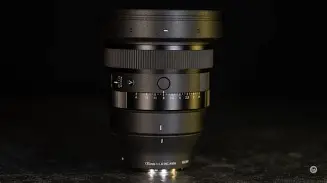
Don't Buy Until You Read This: Sigma 17 40Mm F 1 8 Dc Art vs Sigmas 135Mm F 1 4 Dg Art
Choosing between two very different lenses can feel like comparing apples to oranges — especially when one is an ultra-fast wide-to-standard zoom and the other is a short-telephoto, ultra-fast prime. This article looks beyond marketing copy to examine practical strengths, limitations, and real-world trade-offs of the Sigma 17–40mm f/1.8 DC Art and the Sigma 135mm f/1.4 DG Art. It’s written for photographers who want to match gear to use cases: wedding and portrait shooters, travel and event photographers, enthusiasts deciding between versatility and specialization, and anyone weighing low-light performance against size and handling.
Quick context: what these lenses represent
Before getting into the nitty-gritty, it helps to understand what each lens is intended to do. The Sigma 17–40mm f/1.8 DC Art (hereafter “17–40/1.8 DC”) is positioned toward photographers who shoot on APS-C bodies and need a fast, flexible wide-to-normal zoom. The Sigma 135mm f/1.4 DG Art (hereafter “135/1.4 DG”) is a short-tele prime built for full-frame use and praised for subject isolation, compression, and out-of-focus rendering. In short: the 17–40 aims for versatility and low-light zoom capability on cropped sensors; the 135 is a specialty portrait/creative prime for maximum spatial separation and rendering.
Detailed product analysis
Sigma 17–40mm f/1.8 DC Art — what it brings to the table
The 17–40/1.8 DC is attractive on paper because it combines a usable wide-angle to standard focal-length range with an unusually bright constant aperture for a zoom. For photographers shooting on APS-C bodies, that translates roughly to a 25–60mm full-frame equivalent — a practical range for travel, documentary, street, lifestyle, and event work. The biggest practical benefit is flexibility: one lens covers landscapes, interiors, environmental portraits, and candid moments without swapping glass.
Real-world advantages include faster shutter speeds in dim lighting compared with typical f/2.8 zooms, and better subject-background separation at the longer end of the zoom than many kit lenses provide. It allows for creative shallow depth of field in some contexts, particularly at 40mm on an APS-C body. The trade-offs to consider are optical complexity (zoom designs require compromises across the range), potential size and weight if the lens is built like other Sigma Art products, and how the lens performs in the corners and at wide-open apertures.
Sigma 135mm f/1.4 DG Art — what it brings to the table
The 135/1.4 DG is an optics-first lens that delivers pronounced subject isolation, creamy bokeh, and a particular rendering loved by portrait and wedding photographers. At 135mm on full-frame — or roughly 200mm equivalent on APS-C — it creates flattering compression for head-and-shoulders portraits and produces a separation between subject and background that’s difficult to achieve with wider lenses.
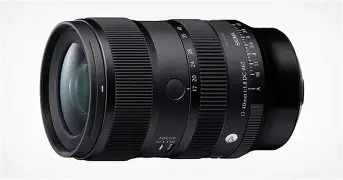
In real shooting situations the 135/1.4 functions as a specialist: ideal for studio, editorial, formal portraits, and selective-detail shots where working distance is acceptable. It excels in low-light environments when paired with a body that offers adequate autofocus and in-body stabilization (if available). The downsides for some buyers are its narrower framing (less versatility than a zoom), potentially large size and weight, and a price that reflects its place as a high-performance art-series prime.
Discover deals on Cameras & Photography — updated daily.
Shop Amazon →Real-world use cases and buyer priorities
When photographers evaluate these lenses they typically care about several practical factors: image quality (sharpness, contrast, chromatic aberration), bokeh quality, autofocus reliability, size and weight for field use, versatility versus specialization, and whether the lens matches their camera system (mount, sensor size, and IBIS availability).
- Event and documentary photographers often prefer the 17–40/1.8 for its range and ability to react quickly without changing lenses. A single fast zoom reduces missed moments and gear handling time.
- Wedding and portrait photographers commonly reach for the 135/1.4 for tight headshots, dramatic separation, and flattering compression — especially during receptions or outdoor portraits where discretion and subject isolation matter.
- Landscape and architecture shooters may use the wide end of the 17–40 for compositional flexibility, but expect to stop down for maximum corner-to-corner sharpness.
- Travel photographers weighing weight and flexibility may prefer the multi-purpose zoom over a single focal-length prime, depending on shooting style and luggage constraints.
Pros & Cons
Sigma 17–40mm f/1.8 DC Art — Pros
- Very versatile focal range for APS-C shooters — covers wide to standard perspectives without swaps.
- Fast constant aperture across the zoom helps in low light and for subject separation compared to typical kit zooms.
- Reduces need to carry multiple lenses during events or travel, which speeds up workflow.
- Good choice for hybrid shooters who need landscape and environmental portrait capability in one package.
Sigma 17–40mm f/1.8 DC Art — Cons
- Zoom compromises mean peak corner performance and ultimate point-source micro-contrast may lag behind primes.
- Potentially larger and heavier than slower zooms; balance on smaller APS-C bodies should be considered.
- If the zoom lacks optical stabilization, handheld low-light work at longer focal lengths will rely on camera body IBIS or higher ISO.
- Edge and corner softness, vignetting, and distortion can be more noticeable at the extremes of the range.
Sigma 135mm f/1.4 DG Art — Pros
- Outstanding subject isolation and creamy bokeh for portraits and editorial work.
- High central sharpness wide open; excellent micro-contrast for rendering skin and detail.
- Compression at 135mm produces flattering facial proportions and background separation.
- Classic focal length for headshots, stage photography, and selective detail shots where reach and isolation matter.
Sigma 135mm f/1.4 DG Art — Cons
- Limited versatility — it’s a specialist prime that doesn’t replace a zoom for event coverage.
- Requires more careful composition and working distance; not ideal in cramped spaces.
- Potentially heavy and large, which affects portability during all-day shoots.
- If handheld stabilization is essential, a body with IBIS or very fast shutter speeds will be necessary, as primes in this class may not include optical stabilization.
Side-by-side comparison
| Feature | Sigma 17–40mm f/1.8 DC Art | Sigma 135mm f/1.4 DG Art |
|---|---|---|
| Focal length | 17–40mm (wide to standard on APS-C) | 135mm (short telephoto prime) |
| Maximum aperture | f/1.8 constant — unusually fast for a zoom | f/1.4 — very shallow depth of field |
| Sensor coverage | Designed for APS-C (DC designation) | Designed for full-frame (DG designation) |
| Primary use | Travel, events, documentary, environmental portraits | Portraits, headshots, editorial, creative compression |
| Versatility | High — covers multiple genres with one lens | Low to moderate — highly specialized but excellent in its niche |
| Portability | Moderate — replaces multiple lenses but may be physically larger | Moderate to heavy — prime but robust build |
| Low-light capability | Very good for a zoom | Exceptional for subject isolation and low-light portraits |
| Bokeh / background blur | Good at longer end, but wider angles limit blur potential | Excellent — smooth, subject-separating bokeh |
| Best for | Single-lens travel/event kits, run-and-gun shooters | Studio and formal portraits, editorial, selective detail |
Practical photo-test observations (what photographers report)
Photographers testing similar lenses often report that fast zooms like the 17–40/1.8 shine in dynamic, changing shooting environments. They allow one to quickly switch from wide environmental context to a tighter subject frame with consistent exposure and depth-of-field control. However, the optical character tends to change across the zoom: center sharpness can be excellent while corners and off-axis micro-contrast may need stopping down for critical applications.
For the 135/1.4, real-world testers praise the way it isolates subjects: skin tones, eyelash detail, and background highlights tend to render in a three-dimensional way when paired with a good camera body. Photographers also note that focusing at f/1.4 demands attention: plane-of-focus is thin, and slight focus errors can ruin a headshot; many prefer stopping down slightly (to f/1.8 or f/2) for consistent eye sharpness in live sessions.
Buying guide — how to decide
Choosing between these lenses comes down to prioritizing either versatility or specialization. The following checklist helps match lens choice to shooting needs.
1. Identify primary shooting scenarios
- If the photographer needs one lens to cover weddings, travel, street, and environmental portraits without frequent changes, the fast zoom is the practical choice.
- If the priority is studio-quality headshots, editorial portraits, or work where background blur and compression define the image, the 135 prime is the better match.
2. Consider sensor size and compatibility
- The DC designation means the 17–40/1.8 is optimized for APS-C cameras; using it on a full-frame body may produce vignetting or require crop mode.
- The 135/1.4 DG is designed for full-frame cameras and will work on both full-frame and APS-C bodies (with a crop factor affecting effective field of view).
3. Evaluate working distance and framing
- For tight indoor spaces where a 135mm cannot be backed away sufficiently to frame, a wider zoom or shorter prime will be necessary.
- For outdoor portraits where distance is available, the 135 yields flattering compression and subject-background separation.
4. Balance weight, handling, and kit constraints
- If the photographer travels light, think in terms of what other lenses will be carried. A single fast zoom can replace two or three slower primes/zooms.
- For studio or short-handed assignments where lens swaps are few and predictable, a heavy prime is often acceptable.
5. Autofocus and stabilization considerations
- Check whether the chosen lens and camera body pair provide the autofocus speed and tracking needed for the subject — wedding processional vs. posed portraits require different AF behavior.
- If the lens lacks optical stabilization, the photographer should rely on body IBIS or higher shutter speeds. Prime lenses with very large apertures compensate with faster shutter speeds and lower ISOs.
6. Budget and resale
- Consider whether the lens will be a long-term tool or a stopgap. Specialist primes often retain value with portrait and event pros, while versatile zooms appeal to a broader used-market audience.
- Factor in potential need for accessories — lens support, filters, or a local service check for heavy-use pro gear.
Practical buying scenarios
Here are three short scenarios to clarify decision-making:
- Run-and-gun wedding photographer: The 17–40/1.8 reduces lens changes, handles reception dance floors and dim chapels well, and lets the shooter capture context and detail with one tool. It’s often the choice for photographers prioritizing uptime over ultimate single-frame rendering.
- Portrait and editorial photographer: The 135/1.4 gives a look that many clients and magazines love — subject separation, smooth backgrounds, and a film-like rendering. The photographer willing to work at a distance and manage shallow DOF will find it indispensable.
- Hybrid shooter (travel + portraits): If one budget allows only a single lens for a trip that includes portraits and wide landscapes, the 17–40/1.8 is likely the better practical compromise.
Accessory and workflow notes
Whichever lens a photographer chooses, certain habits improve results. For the 135/1.4, using single-point AF, confirming eye focus, and bracing when shooting handheld will increase keeper rate. With the 17–40/1.8, shooting tethered or with live-view preview to confirm corner performance can be helpful for critical landscape or architecture work. Neutral density or polarizing filters may be less convenient on large-diameter fast lenses, so plan filter needs ahead of time.
Looking for the best Cameras & Photography deals on Amazon?
See Deals →Final thoughts and conclusion
Both lenses serve clear and different photographic philosophies. The Sigma 17–40mm f/1.8 DC Art is a fast, adaptable tool that favors photographers who prize flexibility and a single-lens workflow on APS-C bodies. It is especially compelling for event, travel, and documentary shooters who need good low-light performance and a range of perspectives without swapping glass.
The Sigma 135mm f/1.4 DG Art is a specialist’s lens: if the goal is the most pleasing subject isolation, creamy bokeh, and editorial portrait character, it delivers results that are hard to replicate with a zoom. It rewards careful technique, appropriate working distance, and a focus on image aesthetics rather than sheer versatility.
In practical terms: choose the 17–40/1.8 DC if one-lens flexibility, varied shooting scenarios, and the convenience of a wide-to-standard reach on APS-C are paramount. Choose the 135/1.4 DG if portraits, controlled isolation, and maximum prime-image character are the priority, and if the photographer accepts the commitments of a specialist lens.
Ultimately, the right purchase depends on the photographer’s most frequent assignments and shooting style. For those who prioritize adaptability and fewer lens swaps, the fast zoom is compelling. For those pursuing a distinct portrait look and willing to work within its constraints, the 135/1.4 is a creative investment. Neither is objectively "better" — they are tools optimized for different jobs. Understanding those differences before buying is the best way to make sure the lens brings the intended value to the photographer’s work.