Which is Better Value? Google Pixel 10A vs Samsung Galaxy S26 Compared
Choosing between a midrange-focused Pixel and a premium Samsung S-series flagship is a common dilemma for smartphone buyers. The Google Pixel 10A positions itself as an affordable, streamlined phone that emphasizes software experience and camera smarts, while the Samsung Galaxy S26 aims for top-tier hardware, a vibrant display, and features that appeal to power users. This article breaks down how each phone performs across real-world use cases—photography, daily productivity, gaming, longevity, and more—so buyers can decide which offers the better value for their needs.
What buyers care about in 2026
When evaluating value, buyers typically weigh several recurring factors: how long the device will stay fast and secure (software support), the camera’s real-life performance, battery life in daily routines, display quality for media consumption, and whether the phone’s extras (wireless charging, IP rating, fast wired charging) justify a higher price. Practical concerns—one-handed comfort, repairability, storage options, and ecosystem compatibility—also shape the decision. Price alone does not determine value; a phone that better fits a buyer’s habits can be the smarter investment.
Design & build
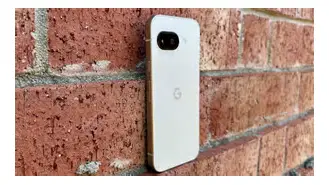
Google Pixel 10A
The Pixel 10A continues the A-series tradition of blending clean design with durability. It typically favors a matte polycarbonate or partially recycled plastic back paired with a metal frame or metallic-look finish to keep costs down without feeling cheap. The hand-feel emphasizes comfort and one-handed use—appealing to buyers who want a pocketable phone that’s easy to use throughout the day.
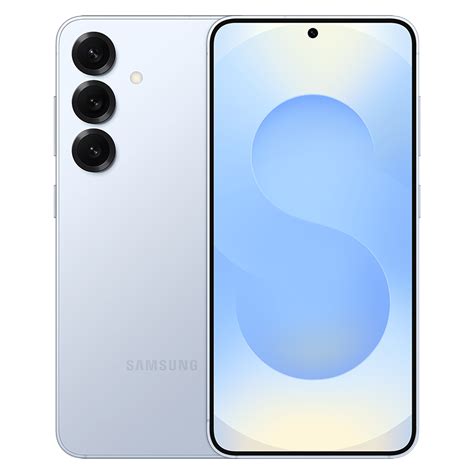
Samsung Galaxy S26
The Galaxy S26 targets a premium experience with glass on both sides, an aluminum frame, and slimmer bezels. Samsung’s industrial design often includes subtle curvature for a refined feel. The S26 is built to showcase a high-end aesthetic and offers water and dust resistance suitable for everyday life and travel. For many buyers the difference between a Pixel 10A’s practical construction and the S26’s premium materials is a visible, tactile distinction.
Display and media
Google Pixel 10A
Pixels in the A-series have moved toward brighter, color-accurate OLED panels in recent generations. The Pixel 10A offers a balanced display experience for streaming, social media, and reading—good contrast, accurate colors, and adaptive refresh rates that save battery. It’s ideal for buyers who consume media but are not chasing the absolute peak in brightness and refresh performance.
Samsung Galaxy S26
Samsung’s S-series is known for industry-leading displays. The Galaxy S26 emphasizes peak brightness, deeper contrast, and smoother motion with a high refresh-rate, always-on display features, and superior HDR support. For photographers, videographers, and heavy media consumers, the S26’s screen will provide a noticeably better viewing experience, especially outdoors or when watching HDR content.
Performance and real-world responsiveness
Google Pixel 10A
The Pixel 10A targets everyday responsiveness: app launches, multitasking, and navigation feel snappy thanks to an efficient midrange chipset and optimized Android build. For most users—social apps, web browsing, streaming, light games—the 10A delivers a smooth experience. Demanding 3D gaming or intensive multitasking with many background processes may push it harder than a flagship.
Samsung Galaxy S26
The S26 is built for sustained peak performance. Its flagship-class silicon and typically higher thermal headroom make it the better choice for heavy gaming, multi-window productivity, and content creation workflows on the device. Buyers who expect to use resource-intensive apps or keep a phone for several years to preserve performance will appreciate the S26’s headroom.
Camera systems and computational photography
Google Pixel 10A
Google’s strength lies in software-driven photography. The Pixel 10A prioritizes computational photography—night mode, portrait processing, and color consistency—so photos look great in everyday conditions without fuss. The A-series historically delivers some of Google’s best value photography for the price, especially for casual photographers who want consistently pleasing shots for social media and family albums.
Looking for the best Mobile Phones deals on Amazon?
Shop Amazon →Samsung Galaxy S26
Samsung’s flagship cameras combine high-end hardware with advanced image processing. The S26 offers more versatile optics—telephoto zoom, wide-angle, and primary sensors tuned for high-resolution captures. For buyers who prioritize optical flexibility (zoom quality, optical stabilization) and want the best possible raw detail, the S26 will typically outperform the 10A in challenging conditions, albeit with a different color science and contrast profile.
Battery life and charging
Google Pixel 10A
Battery life on the 10A aims for all-day use with conservative power consumption in routine scenarios: messaging, calls, streaming, and light navigation. The Pixel’s adaptive software optimizations often extend usable time. Charging speeds tend to be moderate, prioritizing battery longevity over ultra-fast charging curves.
Samsung Galaxy S26
The S26 usually includes larger batteries and faster wired and wireless charging options. For users who top up frequently during a busy day or who rely on wireless charging at home or work, the S26’s charging flexibility can be a practical advantage. Heavy users who push display brightness and gaming workloads will benefit from the flagship’s bigger battery and faster replenishment.
Software, updates, and privacy
Both phones run Android with distinct philosophies. The Pixel 10A provides a clean, minimal Android experience with Pixel-first features, tight integration with Google services, and early access to OS updates and features. Historically, Pixel A-series models receive competitive update policies compared to other midrange devices, offering a long useful lifespan relative to price.
Samsung’s Galaxy S26 ships with One UI, a feature-rich layer with customization options, expanded multitasking, and integrations with Samsung’s ecosystem (wearables, tablets, DeX-like features). Samsung has significantly improved update policies for S-series phones, matching or approaching flagship-grade update longevity. Buyers looking for extended software support, manufacturer features, and ecosystem benefits will find value in both lines, but the choice depends on whether they value stock simplicity or extensive feature sets.
Ecosystem and accessories
Google’s ecosystem centers on seamless integration with Google services: Photos, Drive, Assistant, and a growing set of AI tools. The Pixel 10A benefits from this integration without requiring a deep investment in hardware accessories. Samsung’s ecosystem extends across tablets, watches, earbuds, and home appliances; if a buyer already owns Samsung accessories, the S26 provides cross-device conveniences that increase overall value.
Repairability and longevity
Repairability varies by model but is an essential part of long-term value. Midrange models like the Pixel 10A are often easier and less costly to repair for common issues like battery or screen replacement. Flagship devices, while robust, may be more expensive to fix due to premium materials and repair complexity. Buyers who plan to keep a phone for several years should factor in warranty options, third-party repair availability, and the manufacturer’s commitment to updates.
Pros & cons
Google Pixel 10A
- Pros: Clean Android experience with Pixel software features, strong computational photography for price, comfortable design and one-handed usability, efficient battery life in typical use, typically excellent value for money.
- Cons: Midrange hardware that can struggle with sustained heavy workloads, fewer premium features (slower charging, simpler materials), less versatile camera hardware compared to flagships.
Samsung Galaxy S26
- Pros: Premium build quality and display, flagship-level performance and thermal headroom, more versatile camera array with higher optical capabilities, faster charging and broader accessory ecosystem, robust feature set for productivity and entertainment.
- Cons: Higher price point that can reduce perceived value for average users, potentially larger and less pocketable design, repair costs and replacement parts may be higher.
Side-by-side comparison
| Category | Google Pixel 10A | Samsung Galaxy S26 |
|---|---|---|
| Design & Build | Practical, comfortable, midrange materials | Premium glass and metal, sleeker finish |
| Display | Good OLED, color-accurate, energy-efficient | Best-in-class brightness and HDR, higher refresh rate |
| Performance | Very good for everyday tasks | Excellent for intensive apps and gaming |
| Camera | Outstanding computational photos for price | More versatile optics and higher detail |
| Battery & Charging | Solid all-day life, moderate charging speeds | Larger battery options, faster wired/wireless charging |
| Software & Updates | Clean Android, timely updates, Google features | Feature-rich One UI, strong update commitments |
| Value for Money | Excellent for budget-conscious buyers | High value for buyers who need flagship capabilities |
Buying guide: which to choose and why
Selecting the better value depends on the buyer’s priorities and usage patterns. Below are common buyer profiles and which phone is likely the better fit.
Shop the latest Mobile Phones picks on Amazon.
Browse Now →1. The budget-conscious photographer
If the priority is consistently great photos for social media and family moments without spending flagship prices, the Pixel 10A is the smarter pick. Its computational photography excels in everyday scenarios—low light, portraits, point-and-shoot convenience—delivering results that belie the price.
2. The mobile power user
Buyers who use their phone for prolonged gaming sessions, heavy multitasking, or editing photos and video on-device will appreciate the S26’s superior chipset, thermal management, and richer feature set. The S26 is designed to maintain performance under load and to last longer as apps become more demanding.
3. The frequent traveler
Travelers often prioritize battery longevity, fast charging, camera versatility, and repair/service availability. The S26’s larger battery and faster charging, combined with flagship camera flexibility (better zoom, stabilization), make it a robust travel companion. The Pixel 10A’s lighter weight and simpler design may be preferable for someone who prioritizes compactness and consistent camera output.
4. The ecosystem buyer
Those invested in either Google or Samsung ecosystems should weigh how the phone integrates with other devices. A buyer who already uses Samsung tablets, watches, or smart home gear will find extra convenience with the S26. Conversely, users of Google services looking for a seamless, uncluttered experience will find the Pixel 10A aligns well with their existing workflows.
5. Long-term value and resale
Flagships often command better resale value, but initial cost is higher. If a buyer plans to trade or sell within a year or two, the S26 may retain value better. If cost amortization over time is the goal and the buyer values lower upfront expense, the Pixel 10A represents a pragmatic investment.
Practical tips before buying
- Test in person: If possible, handle both phones to gauge ergonomics and display preferences—comfort matters in daily use.
- Check local software and warranty policies: Update cycles and repair/replacement policies vary by region and can affect long-term value.
- Choose storage wisely: Many buyers underestimate storage needs. For those who record video or keep large media libraries, opting for higher storage on the S26 or using cloud strategies with the Pixel is important.
- Consider accessories: A good case and screen protector can extend lifespan and resale value; the S26’s premium materials benefit from protection more than the more durable-feeling 10A.
- Look for current promotions: Seasonal discounts or trade-in deals can change the value equation significantly; compare total out-the-door costs rather than MSRP alone.
Conclusion
Both the Google Pixel 10A and Samsung Galaxy S26 present compelling value propositions, but for different buyers. The Pixel 10A delivers excellent everyday value: a clean software experience, strong computational photography, and practical design that suit most users who want dependable performance without paying for flagship extras. The Samsung Galaxy S26, by contrast, delivers a premium experience—superior display, more powerful hardware, and more versatile camera hardware—making it the better choice for power users, creatives, and those who want the highest-end features and future-proofing.
Ultimately, the better value depends on what a buyer values most. For those prioritizing price-to-performance and a straightforward, polished Android experience, the Pixel 10A is hard to beat. For users who need the best display, advanced camera versatility, and peak performance, the S26 justifies its premium with capabilities that matter in demanding real-world scenarios.